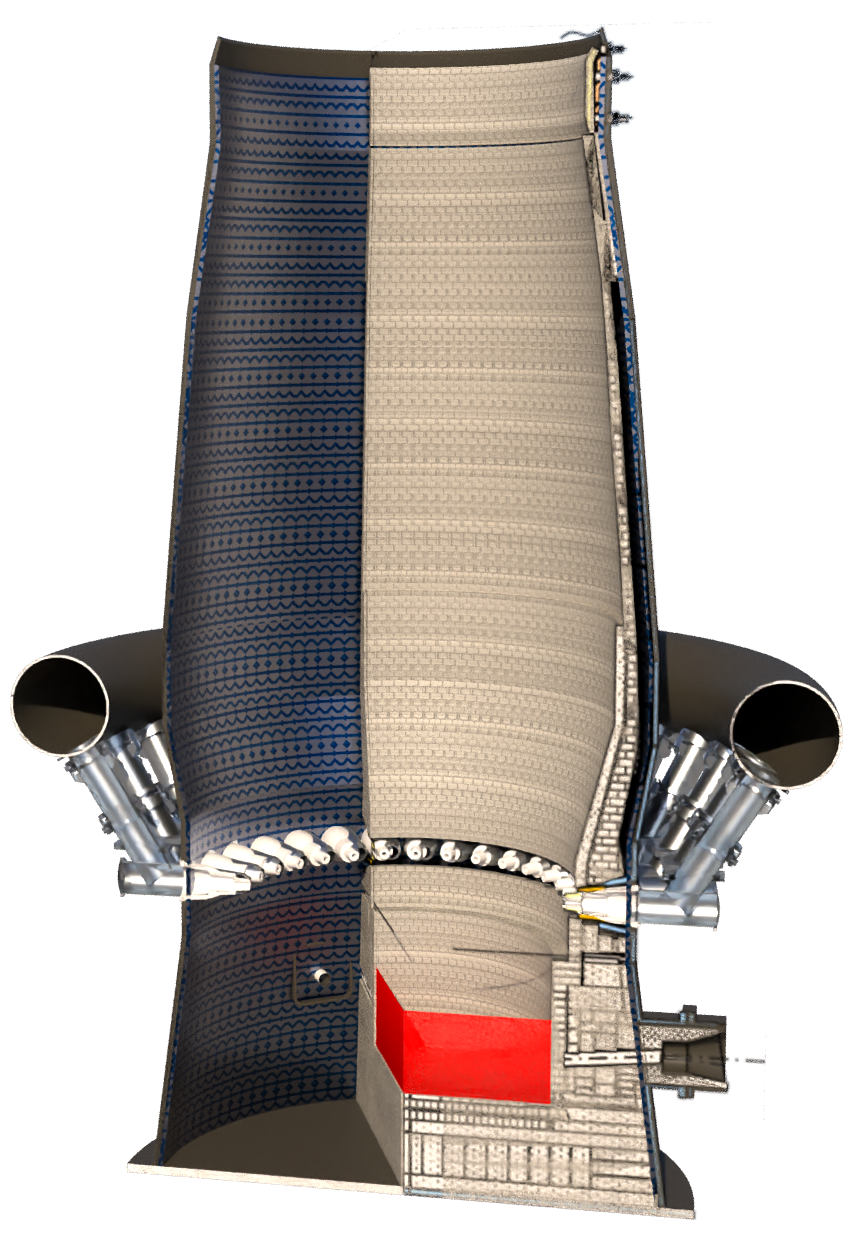
Smart Blast Furnace
The Smart Blast Furnace System enables real-time monitoring of surface temperature at the lower blast furnace wall near the tap hole(hot metal discharge area) using surface temperature sensors. Collected temperature data is continuously analyzed to visualize temperature distribution, track historical trends, and identify thermal patterns. Based on this data, the system supports estimation of refractory condition and remaining service life of the blast furnace lining. By transforming thermal data into actionable insights, the Smart Blast Furnace System provides a digital foundation for safer and more efficient blast furnace operation.
| Data | DX |
|---|---|
|
|
|
|
Smart Blast Furnace Monitoring
Section-based Temperature Distribution and Surface Profile
Surface temperature data is collected from sensors installed on the lower blast furnace wall and visualized by section to show temperature distribution and surface profiles
Temperature Data History
Temperature data is continuously recorded and displayed as time-based history graphs to track changes in thermal conditions
Temperature Pattern Analysis
Accumulated temperature data is analyzed to identify recurring temperature
Benefits
 Safety
- Real-time surface temperature monitoring near the tap hole allows abnormal thermal conditions to be identified at an early stage
- Continuous condition monitoring significantly reduces the need for operators to approach high-risk, high-temperature areas
- Early detection of refractory degradation lowers the risk of breakouts and unplanned blast furnace incidents
- Clear visualization of temperature distribution enables faster and more informed responses to abnormal operating conditions
 Productivity Improvement
- Improved visibility into thermal conditions supports more stable and consistent blast furnace operation
- Fewer unexpected refractory issues result in reduced critical unplanned shutdowns and operational disruptions
- Continuous monitoring allows tapping operations and furnace control to be carried out more predictably
- Better understanding of thermal behavior contributes to smoother overall furnace operation
 Cost Reduction
- Estimation of refractory condition based on actual data helps prevent premature repair or replacement
- Optimized lining life management extends blast furnace campaign life
- Early identification of abnormal heat loss reduces corrective maintenance and repair costs
- Condition-based maintenance planning leads to lower long-term operating and maintenance expenses